Of all the 11+ papers, verbal reasoning is the one that seems to cause the most confusion at home. Parents tell me their child is a strong reader and a capable writer, yet the first practice paper comes back with a disappointing score, and nobody is quite sure why.
There is a straightforward explanation. Verbal reasoning is not taught in schools, so your child is being asked to solve question formats they have never met, under time pressure. The encouraging news is that the underlying skills are ones you can build at home, and the research on how to do it is clearer than you might expect.
In this guide, I have brought together what I know from research, my own 11+ teaching and the students themselves: what 11 plus verbal reasoning involves, the question types your child will meet, what the evidence says about practice papers and a weekly routine you can start straight away.
Understanding 11+ Verbal Reasoning
Verbal reasoning is problem-solving with words, letters and sometimes numbers. Rather than testing curriculum knowledge, it asks children to spot relationships between words, crack codes, complete sequences and follow chains of logic. Grammar and independent schools use it because it is intended to measure potential rather than taught content, which is also why it does not appear anywhere in the national curriculum.
In practice, most 11+ verbal reasoning papers are multiple choice. A typical GL Assessment paper contains between 60 and 80 questions to be answered in 50 to 60 minutes, which works out at somewhere between 40 seconds and a minute per question. That pace, more than the difficulty of any single question, is what catches children out.
Because it is unfamiliar and timed, verbal reasoning rewards two things above all: a wide vocabulary and familiarity with the question formats. Everything in this guide builds towards those two goals.
The Exam Board Behind Your Child's Paper
Before you buy a single practice book, find out which test your target schools use. This determines the question types your child will face, and it has changed considerably in recent years.
- GL Assessment is now the dominant provider for grammar schools in England, including large testing areas such as Kent and Buckinghamshire. GL publishes free familiarisation materials, which are the best starting point for seeing real question styles.
- CEM, the other major provider for many years, stopped offering its familiar paper-based 11+ tests from the 2023 entry. Most regions that used CEM have since moved to GL, so treat any advice or practice material written for "CEM style" papers with caution.
- CSSE sets its own papers for grammar schools in Essex. There is no separate verbal reasoning paper; reasoning skills are assessed within the CSSE English and maths papers instead.
- ISEB runs the online, adaptive Common Pre-Tests used by many independent schools, which include a verbal reasoning section.
- Individual schools, particularly independents, sometimes write their own papers. The school's admissions page will usually say so and may provide samples.
Check the admissions page of each target school before you plan anything. Ten minutes of reading now will save you months of practising the wrong material.
11 Plus Verbal Reasoning Question Types
GL Assessment draws on a bank of 21 standard question types, and different regions use different selections from it. That number sounds daunting, but the types cluster into four families, and each family relies on the same small set of underlying skills.

1. Vocabulary Questions
These include closest meaning, opposite meaning, odd ones out, word connections and choosing the missing word in a sentence. For example:
Q. Choose the two words, one from each group, that are closest in meaning.
(frugal, generous, wealthy) (mean, thrifty, poor)
The answer is frugal and thrifty, and a child who half-knows the words will be drawn to the plausible distractors, mean and poor. These questions are pure vocabulary, dressed up as reasoning. In most GL selections, they make up the largest share of the paper.
2. Word Manipulation Questions
Hidden words, moving a letter from one word to another, inserting a letter, building compound words and solving anagrams. For example:
Q. Find the four-letter word hidden at the end of one word and the start of the next.
Anna was often of a mind to leave.
The hidden word is soft. These questions test careful, letter-by-letter attention rather than word knowledge, and children improve at them quickly once they learn to scan the joins between words methodically instead of hoping the answer will jump out.
3. Codes and Sequences
Letter series, letter codes and word-number codes. For example:
Q. Find the next pair in the series: CF, DG, EH, FI, ?
The answer is GJ, because each letter moves one place along the alphabet. Every question in this family depends on fast, accurate navigation of the alphabet, which is why I have my students write A to Z across the top of the page before they begin. It turns an abstract puzzle into a counting exercise.
4. Numbers and Logic
Number series, letters standing for numbers, completing sums and short logic problems where information about several people must be sorted to answer a question. These reward organised working: jotting the key facts down rather than juggling them mentally.
My advice is to introduce one family at a time, untimed, and talk through the method together before you ever set a full paper. A child who understands why an answer is right can transfer that method to the other 20 question types far more easily than a child who has memorised tricks.
What Verbal Reasoning Really Tests
It is tempting to treat verbal reasoning as a mysterious measure of raw intelligence that children either have or lack. The evidence points the other way.
A 2019 study in the British Educational Research Journal compared the Kent Test with ordinary Key Stage 2 attainment data for two whole cohorts of children. The aggregated 11+ scores and KS2 scores overlapped so strongly that they shared nearly 80% of their variance, and the study concluded that the value of testing supposedly "knowledge-free" ability is questionable (Brown, 2019). In plain terms, verbal reasoning performance travels together with everyday English attainment.
My own experience matches this. When a student underperforms in verbal reasoning, the cause is usually a vocabulary gap or a misread question, not a reasoning gap. Synonym, antonym and analogy questions are vocabulary tests by another name, and even the code questions punish a child who is slow to recognise real words when they emerge.
This is genuinely good news for parents, because it means the main engine of verbal reasoning preparation is something you already know how to do: wide, challenging reading and deliberate vocabulary work. I have written a full guide to 11+ vocabulary, including context clues, word roots and games and a free vocabulary tracker to record the words your child collects along the way. The reading habits described in my 11+ comprehension guide serve verbal reasoning just as well.
What the Research Says About Practice Papers
Parents often assume that more papers mean higher scores, and the 11+ industry is happy to encourage that belief. The research suggests something more precise.
In a study of over 550 children preparing for selection tests in Northern Ireland, researchers gave pupils seven parallel forms of an 11+ style test, with one group also receiving three hours of coaching on question formats. Both practice and coaching raised scores, but the largest gains came over the first few tests, after which improvement levelled off (Bunting & Mooney, 2001).
Two practical lessons follow. First, familiarisation genuinely matters: a child who has never seen these formats is at a real disadvantage, so some structured practice is not optional. Second, the benefit of practice papers is front-loaded. A modest number of papers, each reviewed carefully, captures most of the gain, while a paper a day mainly buys fatigue.
This is why my Year 5 students sit a full practice paper every six to eight weeks, not every weekend. The time in between is spent on the things that keep improving long after format familiarity has plateaued: vocabulary, reading and the specific question families that the last paper showed to be weak.
How to Prepare for 11 Plus Verbal Reasoning at Home
Read Widely and Talk About Words
Everything starts here. Children who read widely meet the ambitious vocabulary that verbal reasoning papers draw on, and they meet it in context, which is how word knowledge becomes deep enough to survive plausible distractors. Read slightly above your child's independent level, pause on interesting words and collect a few each week in the tracker.
Build Vocabulary Deliberately
Alongside incidental learning from books, work through synonyms and antonyms for the words your child collects, break words into prefixes, roots and suffixes and play word games. My free classic word list covers the old-fashioned vocabulary that appears in these papers, and be wary of anyone selling a definitive list: no school publishes one.
Make the Alphabet Automatic
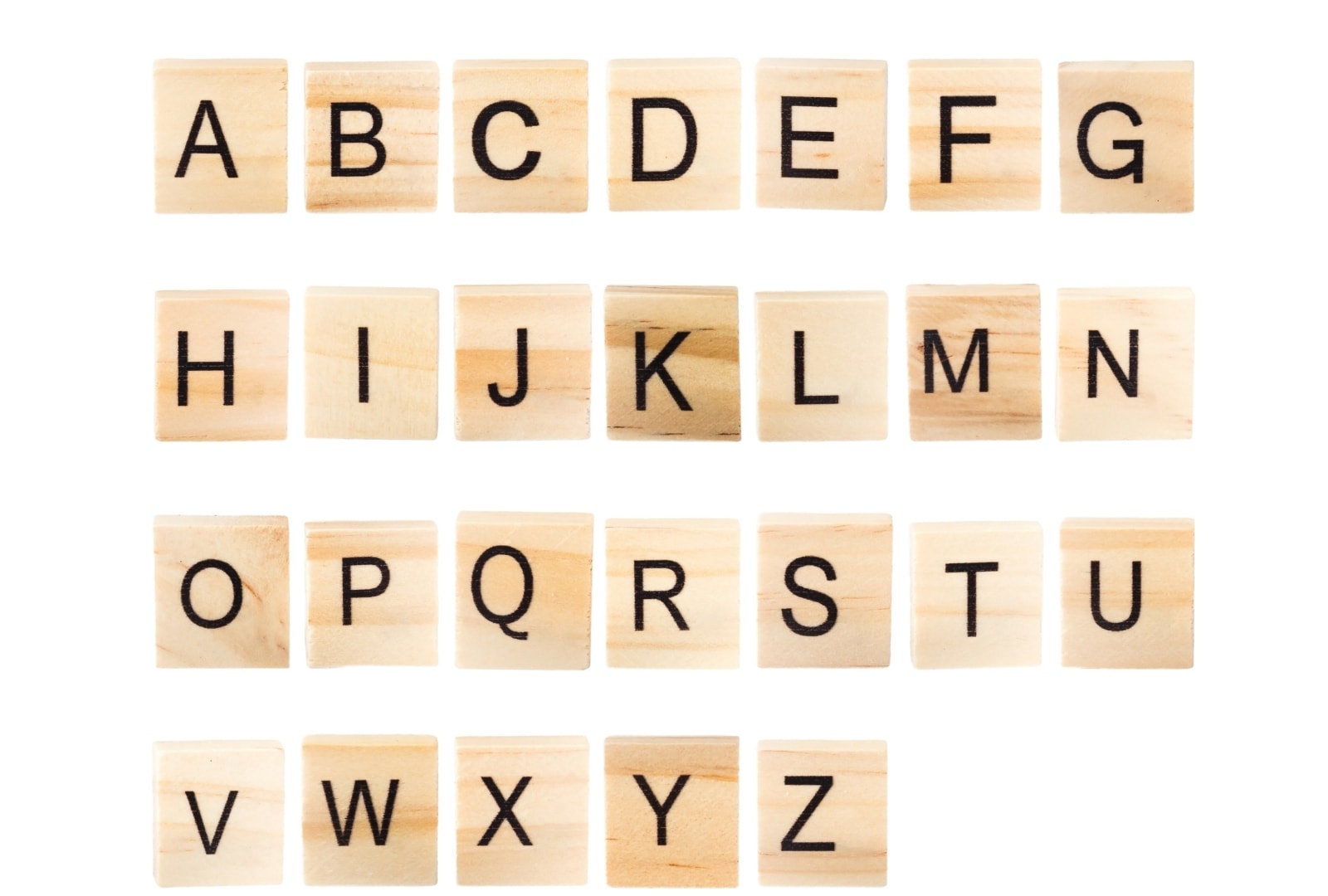
For the code and sequence family, alphabet fluency is the whole game. Practise counting forwards and backwards from any letter, finding the midpoint between two letters and spotting mirror pairs (A and Z, B and Y and so on). Five minutes in the car does more for these question types than another worksheet.
Introduce Question Types Gradually, Then Add the Clock
Work through one question family at a time without a timer, discussing the method aloud. Only once your child is accurate should you add time pressure, first on short bursts of ten questions, later on full papers. Accuracy first, speed second.
Review Errors Properly
When a paper is finished, sort every error into one of three boxes: I didn't know the word, I misread the question or I ran out of time. Each box has a different remedy, and the sorting itself teaches children to notice their own patterns. This half hour of review is worth more than the paper that produced it.
A Simple Weekly Verbal Reasoning Routine
Here is a realistic routine for Year 5 that takes 10 to 15 minutes a day. Adapt it freely.
Day 1 and 2: Read and collect. Read together and gather three to five new words into the vocabulary tracker.
Day 3: One question family. Work through a small set from a single family, untimed, talking through the method.
Day 4: A timed burst. Ten mixed questions against the clock, at roughly 45 seconds per question.
Day 5: Review. Sort the week's errors into the three boxes and revisit the words behind any vocabulary errors.
Weekend: Play. Word association, Taboo, alphabet games in the car. Keep it light.
Every six to eight weeks, replace the daily work with one full paper under exam conditions, then spend the following week reviewing it.
Timing and Technique on the Day
A few habits protect marks under pressure:
- Write the alphabet at the top of the page before starting, if the school permits it.
- Answer the comfortable questions first and mark the difficult ones to return to. No single question is worth two minutes.
- Use elimination on vocabulary questions: crossing out two wrong options turns a hard question into a coin toss between two, and often into a certainty.
- Check the answer format in advance. Many papers use a separate answer sheet, and children need to have practised transferring answers without slipping a line.
Frequently Asked Questions
1. When should we start preparing for 11 plus verbal reasoning?
Build the foundations, which are reading and vocabulary, as early as you like; they benefit every subject. Format-specific practice is best kept to Year 5. Starting formal papers earlier tends to buy fatigue rather than marks, since the research shows familiarisation gains arrive quickly and then level off.
2. Is verbal reasoning taught at school?
No. It is not part of the national curriculum, so children do not meet these question formats in class. That is precisely why some structured familiarisation at home matters: without it, your child would sit the paper at a genuine disadvantage against children who have practised.
3. My child is a strong reader but scores poorly on practice papers. Why?
Usually one of three things: unfamiliar question formats, time pressure or careless transfer to the answer sheet. Sort their errors into the three boxes described above before you conclude anything. Strong readers almost always catch up quickly once the formats are familiar, because the underlying language skills are already in place.
4. How are verbal reasoning tests scored?
Raw marks are converted into an age-standardised score, which adjusts for your child's age in months so that summer-born children are not disadvantaged against classmates who are nearly a year older. This is also why comparing raw scores between children, or between different practice papers, tells you very little.
5. How many practice papers does my child need?
Fewer than the shelves of workbooks suggest. The evidence indicates that the biggest gains come from the first few papers, so I recommend a paper every six to eight weeks across Year 5, increasing gently in the summer term before the exam. Reviewing each paper thoroughly matters more than how many your child sits.
6. What is the difference between verbal and non-verbal reasoning?
Verbal reasoning works with words, letters and numbers; non-verbal reasoning works with shapes, patterns and spatial relationships and is designed to be less dependent on language. Many 11+ tests include both. The preparation in this guide targets the verbal paper, though the habits of methodical working and error review transfer to both.
Conclusion
Verbal reasoning looks like a puzzle paper, but underneath it is largely an English paper with the curriculum removed. Build vocabulary through wide, challenging reading, make the alphabet automatic, introduce the question families one at a time and use full papers sparingly but review them properly. Done this way, preparation fits into 15 minutes a day, and your child walks in knowing exactly what to expect.
If you would like tailored support with verbal reasoning and wider 11+ English preparation, please get in touch. I offer personalised one-to-one and small-group lessons, and my 11+ mock exams give children the experience of full papers under real conditions, with detailed feedback on exactly the error patterns described in this guide.
References
- Bunting, B. & Mooney, E. (2001). The Effects of Practice and Coaching on Test Results for Educational Selection at Eleven Years of Age. Educational Psychology, 21(3). tandfonline.com
- Brown, C. (2019). How valid are 11-plus tests? Evidence from Kent. British Educational Research Journal. kar.kent.ac.uk
- GL Assessment. Free 11+ familiarisation materials. 11plus.gl-assessment.co.uk